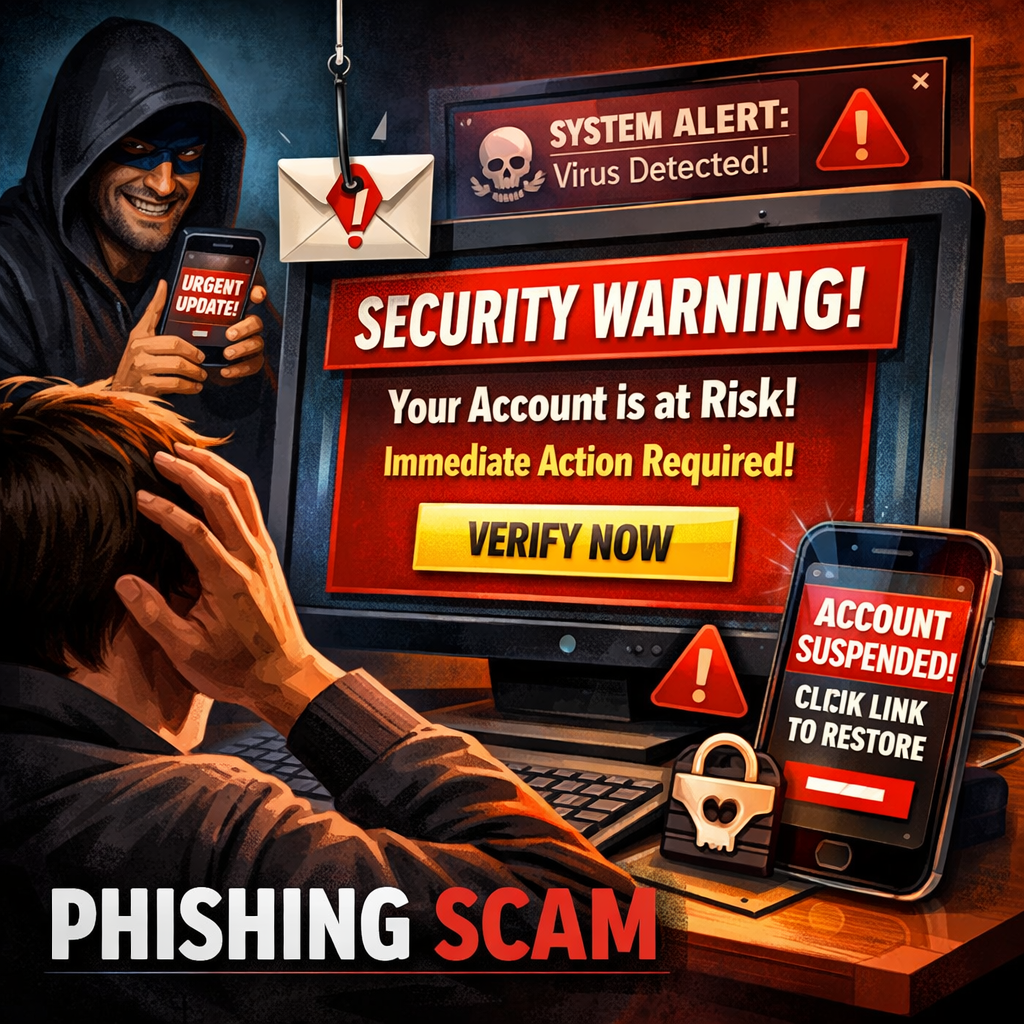
Understanding Phishing Scams and Their Methods
In an age where digital communication is prevalent, phishing scams have become a common threat, targeting individuals and organizations with deceptive tactics. At their core, phishing scams are fraudulent attempts to obtain sensitive information such as usernames, passwords, and credit card details by masquerading as a trustworthy entity in electronic communications. These scams often exploit the trust individuals have in familiar institutions, leveraging this to their advantage in a multitude of ways.
Recognizing Fake Alerts in Phishing Schemes
In the sophisticated world of cybercrime, phishing scams have risen to prominence as a favored method for attackers to deceive unsuspecting victims. These scams often employ fake alerts designed to instill a sense of urgency or fear, thereby manipulating individuals into revealing sensitive information. Recognizing these fake alerts is crucial in safeguarding personal and business security.
One of the most common tactics in phishing scams involves the use of emails or messages that mimic legitimate institutions such as banks, popular online retailers, or even government agencies. These fake alerts typically warn of suspicious activity, account breaches, or require immediate action to verify account details. The core aim is to exploit the recipient's trust and prompt them to click on malicious links or download harmful attachments.
Key Indicators of Fake Alerts
- Generic Greetings: Authentic alerts from reputable organizations usually address recipients by name, whereas phishing attempts often use vague salutations like "Dear Customer."
- Urgency and Threats: Messages that evoke panic, such as threats of account suspension, are red flags prompting hasty, regrettable actions.
- Spoofed Email Addresses: Examine the email address closely. Even minor discrepancies could indicate deception.
- Poor Grammar and Spelling: Legitimate companies maintain high standards in communication, unlike many fraudulent messages.
Understanding these indicators can empower you to differentiate between genuine alerts and scams, ultimately protecting your digital identity. For more insights on safeguarding against cyber threats, explore our comprehensive guides on online security.
Common Types of Fake Alerts Used by Attackers
In the digital age, where personal and professional interactions increasingly migrate online, the threat landscape continues to evolve. One prevalent tactic employed by cybercriminals is the use of fake alerts in phishing scams. These deceptive messages are crafted to exploit human emotions such as fear, urgency, and curiosity, compelling recipients to take hasty actions without verifying the authenticity of the alert.
Security Alerts
Among the most common fake alerts are those masquerading as security notifications. Attackers often send emails purportedly from legitimate institutions like banks, payment platforms, or even antivirus software companies. These messages typically warn of unauthorized access or suspicious activity, urging the recipient to click on a link to secure their accounts. However, these links usually lead to fraudulent websites designed to harvest personal information.
Account Suspension Notices
Another tactic involves fake alerts about account suspensions or closures. Scammers craft emails that claim a user's account—be it email, social media, or an online service—will be deactivated unless immediate action is taken. The urgency created by the threat of losing access often prompts victims to provide sensitive information to the attacker.
Software Update Notifications
Fake software update alerts are also a popular phishing strategy. Recipients might receive a message urging them to download the latest update to protect their devices from malware. However, the download link typically installs malicious software instead, compromising the device's security.
Understanding these common types of fake alerts is crucial for safeguarding personal and organizational data. By recognizing the tactics employed by scammers, individuals and businesses can better protect themselves against phishing attacks.
Want to learn more about protecting your sensitive data?
Click Here or give us a call at 714-369-8197 to Book a FREE 15-Minute Discovery Call.