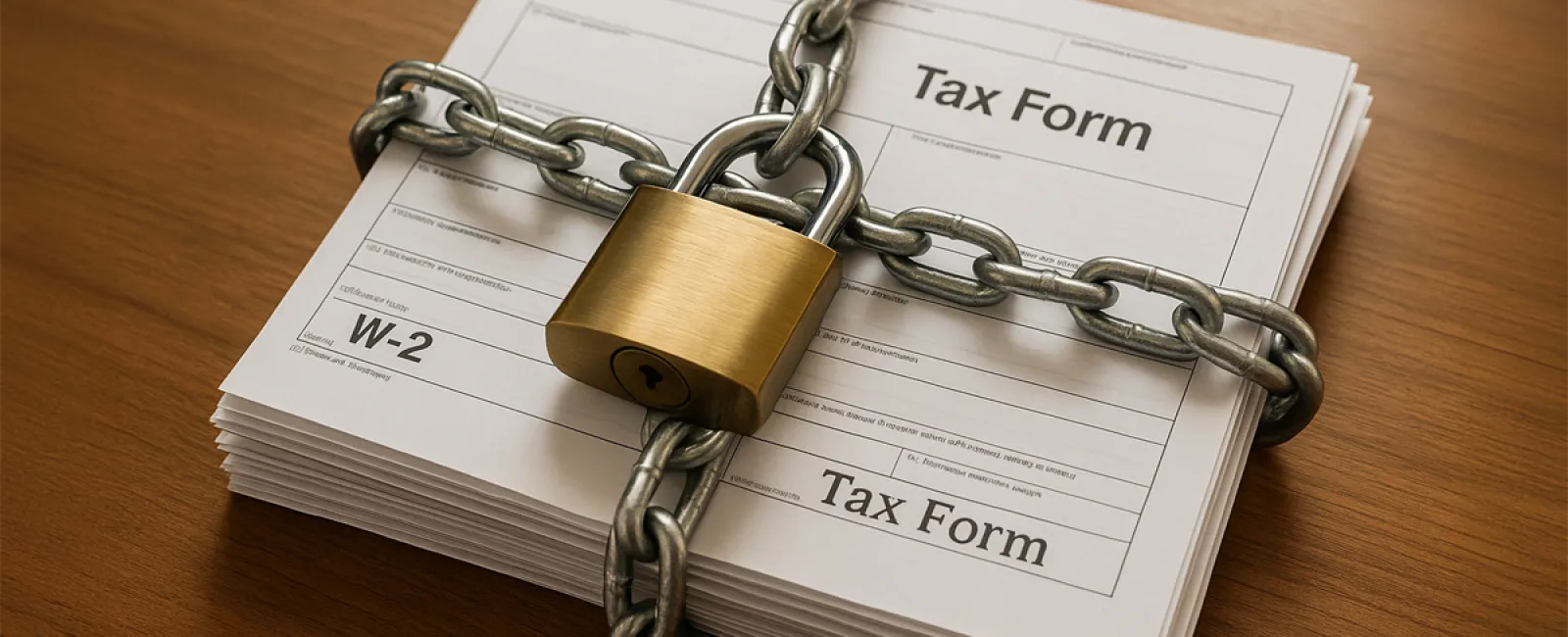
February means tax season is in full swing. Accountants are busier than ever, bookkeepers are gathering documents, and everyone is focused on W-2s, 1099s, and looming deadlines.
But the real challenge during tax season often isn't a form or paperwork—it's the rise of scams.
One scam, in particular, strikes early, targeting small businesses with a convincing approach that might already be lurking in someone's inbox at your company.
Understanding the W-2 Scam: What You Need to Know
Here's how it unfolds:
An employee responsible for payroll or HR receives an email that appears to come from your CEO, owner, or a high-level executive.
The email is brief but urgent:
"I need copies of all employee W-2s for a meeting with the accountant. Can you send them over ASAP? I'm swamped today."
The request seems completely normal—tax season is hectic, and the tone is appropriate. So the employee complies and sends the W-2s.
But here's the catch: the email didn't come from your CEO. It was sent by a cybercriminal using a spoofed email address or a domain that looks almost identical.
That criminal now has access to every employee's sensitive data:
• Full legal name
• Social Security number
• Home address
• Salary details
All the key information needed for identity theft and to file fraudulent tax returns before your employees even get a chance.
The Aftermath: What Victims Face
Victims usually discover the scam when their tax return is rejected with a message like "Return already filed for this Social Security number."
Someone else has already filed in their name and claimed their refund.
Then your employee is left to handle IRS investigations, credit monitoring, identity theft protection, and months of frustrating paperwork—all triggered by a document they unknowingly shared.
Imagine this happening across your entire payroll. Explaining to your team that their personal information was exposed due to a single deceptive email isn't just a security breach—it's a breakdown in trust, an HR crisis, potential legal liability, and a serious blow to your company's reputation.
Why This Scam Is So Effective
This scam doesn't look like your typical phishing email. It succeeds because:
Timing is flawless. W-2 requests happening in February feel routine, so nobody questions the timing.
The request is legitimate-looking. It's not asking for money or gift cards, but for something normally shared during tax season.
The urgency feels natural. "I'm slammed, can you send this now?" fits the busy office vibe.
The sender appears authentic. Cybercriminals research their targets, using real CEO or accountant names and crafting emails that look genuine.
Employees aim to be helpful, especially when they believe the request is from their boss. This urgency often bypasses normal verification steps.
How to Shield Your Business Before a Scam Strikes
The good news is, you can prevent this scam with straightforward policies and a security-conscious culture more than sophisticated technology.
Implement a strict "no W-2s via email" rule with zero exceptions. Under no circumstances should W-2s or other sensitive payroll files leave your office as email attachments, even if the request seems to come from your CEO.
Always verify sensitive requests through a second contact method—such as a phone call, in-person confirmation, or separate chat message—using a contact detail you already have, not one included in the suspicious email. This simple step, done in under a minute, can prevent months of trouble.
Hold a quick 10-minute meeting now focusing on tax season scams—not later. Prepare your payroll and HR teams by sharing what to watch for and the procedures to follow. Being informed is powerful protection.
Enhance security on payroll and HR systems with multi-factor authentication (MFA). Should credentials be phished, MFA acts as a strong barrier against unauthorized access.
Encourage a culture where verification is valued, not resented. Employees who double-check suspicious requests from executives should be praised as responsible, not questioned. A vigilant team is your best defense.
These five essential rules are simple to implement immediately and powerful enough to stop many threats before they start.
Looking Beyond the W-2 Scam
The W-2 scam is just the beginning.
From now through April, be prepared for a wave of tax-related cyberattacks, including:
• Fraudulent IRS notices demanding payment
• Phishing emails disguised as tax software updates
• Spoofed communications "from your accountant" containing harmful links
• Fake invoices designed to look like legitimate tax expenses
Tax season is a prime period for cybercriminals because everyone is busy and financial queries don't raise suspicions.
Businesses that avoid these pitfalls aren't lucky—they're prepared with solid policies, training, and systems that spot suspicious activity before damage happens.
Is Your Business Prepared?
If your company already has robust policies and your team is aware of these scams, you're ahead of many small businesses.
If not, act now—don't wait for a costly incident.
Consider scheduling a 15-minute Tax Season Security Check.
We will review:
• Payroll and HR system access with MFA
• Your W-2 request verification procedures
• Email defenses against spoofing attacks
• Key policy updates most businesses overlook
If you're already covered, great! But if you know a business owner who isn't, please share this article. It could save them from a costly ordeal.
Click here or give us a call at 714-369-8197 to schedule your free 15-Minute Discovery Call.
After all, tax season is stressful enough—don't add identity theft on top of it.